
When families begin exploring senior living options, safety and medical support are often the first priorities. Those elements matter—but they’re only part of the picture. Emotional well-being plays an equally important role in how someone experiences daily life in a community setting.
Emotional support shapes how residents connect, participate, and feel about their surroundings. Through meaningful relationships, engaging programs, and personalized attention, a community can create an environment where people feel respected and valued. In the right community, emotional support is woven into everyday interactions and experiences.
Key Takeaways
- Emotional support is a core component of overall well-being in any senior living setting.
- Support takes many forms, including genuine companionship, purposeful activities, and personalized attention.
- A strong emotional foundation positively influences a person’s outlook, health, and daily engagement.
- When you explore a community, observe interactions and ask about wellness programs to gauge the level of emotional support.
Why Emotional Wellness Matters in Senior Living
Emotional wellness influences how someone approaches each day. When residents feel secure and connected, they are more likely to participate in activities, build friendships, and maintain a sense of purpose.
A supportive emotional environment also reduces feelings of isolation. Belonging to a community where conversations, shared meals, and group activities are part of daily life can make a meaningful difference. This strengthens emotional stability and helps residents feel comfortable in their new surroundings.
How Emotional Support Shows Up in Daily Life
Emotional support isn’t a single service. It’s reflected in consistent, thoughtful interactions throughout the day. From casual conversations to structured programs, these moments create a culture of connection.
Meaningful Companionship and Social Connection
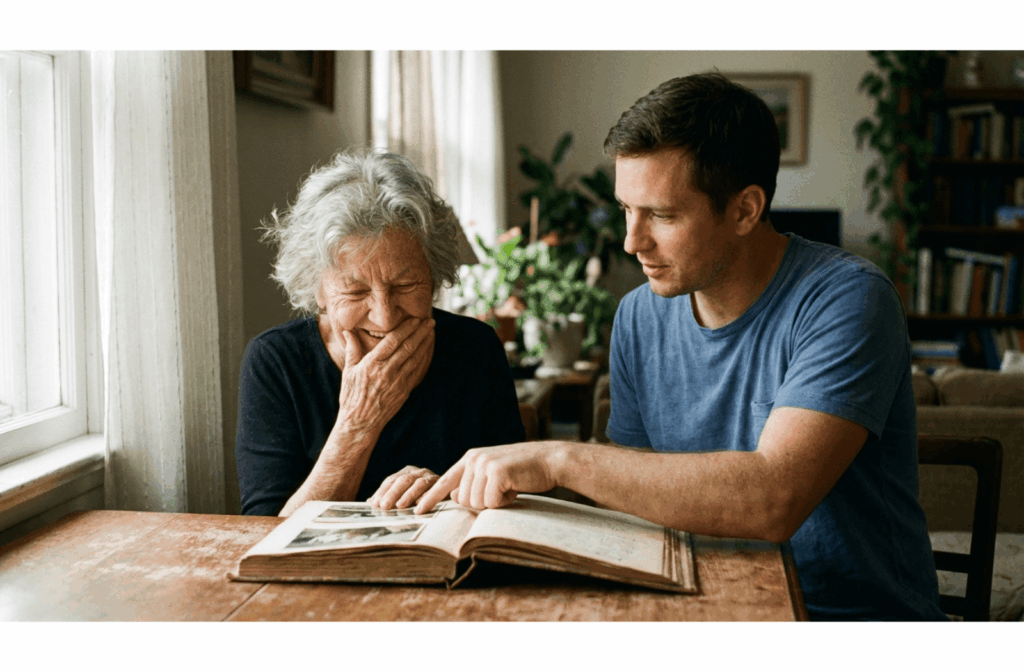
Strong communities are built on relationships. When team members take time to learn residents’ preferences and stories, those interactions become more personal and genuine. However, peer relationships are just as important—with shared meals, group discussions, and common areas, residents can connect with others who understand similar life experiences.
Purpose-Driven Programs and Engagement
Structured programming provides more than entertainment. Activities such as art classes, music sessions, discussion groups, and fitness programs give residents meaningful ways to stay involved. When programs reflect residents’ interests, participation feels natural rather than obligatory, especially when there is a wide range of different options.
Personalized Attention and Validation
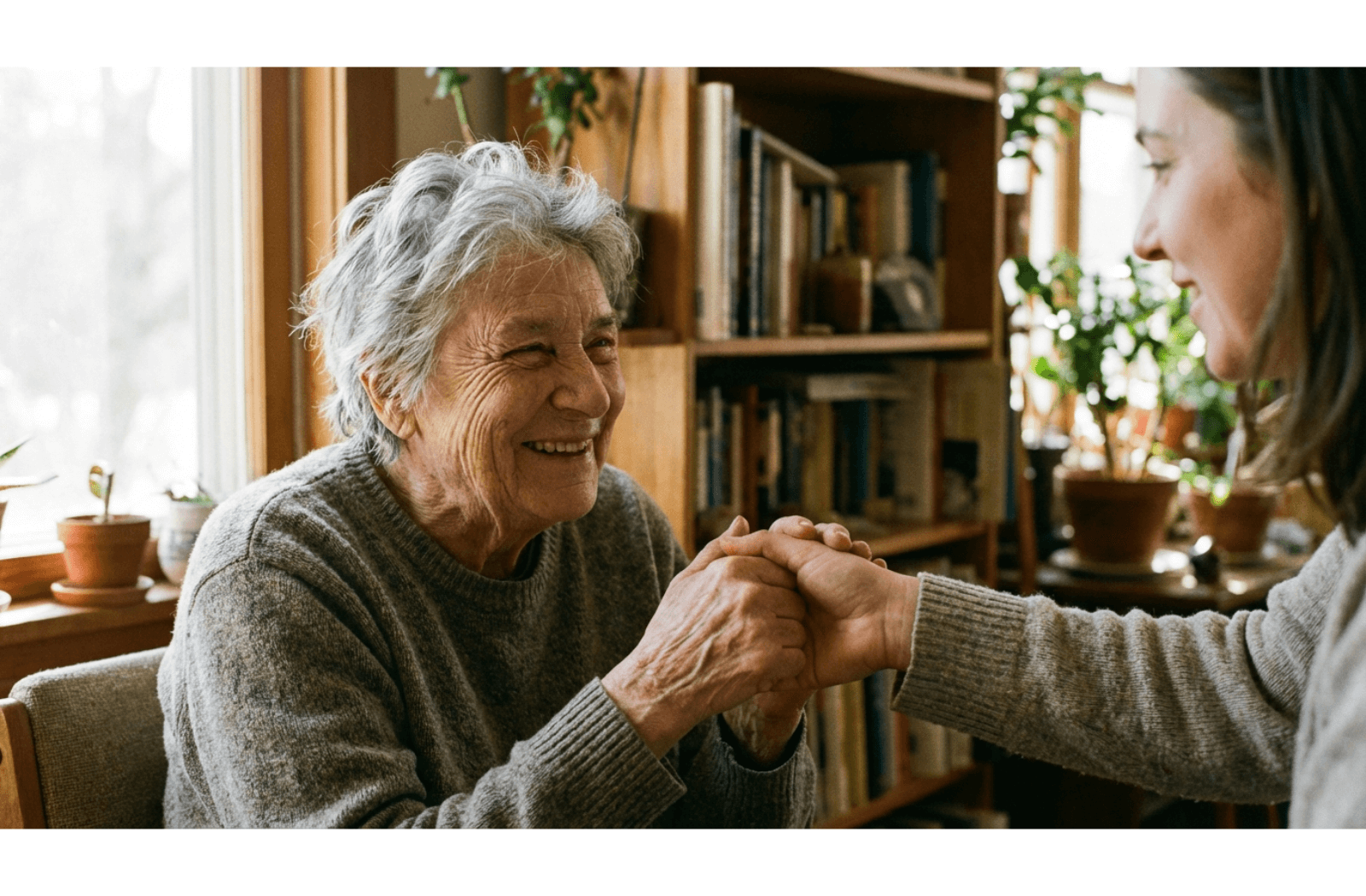
One-on-one interaction remains one of the most meaningful forms of emotional support. Taking the time to listen, respond thoughtfully, and acknowledge feelings builds trust. Consistent, compassionate communication reinforces dignity and strengthens relationships between residents and the community team.
The Link Between Emotional Support and Overall Health
Participation in social events and wellness programs keeps both mind and body stimulated. Emotional security can also reduce stress, which contributes to a more balanced daily routine. A positive environment encourages residents to remain involved and connected.
Over time, this steady engagement supports resilience. Feeling seen and valued influences outlook, which can shape how someone responds to challenges or transitions.
How to Recognize a Community That Prioritizes Emotional Support
During a visit, small details often reveal how a community approaches emotional care. Paying attention to daily interactions can provide insight beyond brochures and tour scripts.
Observe Interactions Between Team Members and Residents
Are team members addressing residents by name? Do interactions feel patient and respectful? The tone of the conversation matters. Don’t forget to look at body language, because it speaks volumes. Warm greetings, eye contact, and relaxed conversation suggest a genuine connection rather than routine exchanges.
Ask About Programs and Personalization
Inquire about the activity calendar and how programs are selected. A thoughtful schedule reflects intentional planning rather than repetition. Ask how the community adapts activities to different interests and abilities. Personalization shows that residents’ preferences are considered, not overlooked.
Evaluate the Overall Atmosphere
Spend time in common areas. Are residents gathered naturally in conversation? Does the environment feel calm and welcoming? An active dining room or a lively group activity can demonstrate a culture of engagement. The overall atmosphere should feel comfortable and inviting.
Look for Consistency in Care and Staffing
Familiar faces contribute to emotional security. Consistency in caregiver availability allows relationships to grow over time. When residents regularly interact with the same team members, trust develops more easily. Stability strengthens the sense of belonging within the community.
Notice How Families Are Included
Emotional support extends to families as well. Clear communication and opportunities for involvement show respect for the role adult children play. Communities that welcome family participation in events or provide updates about daily life foster transparency and reassurance.
Find a Community That Prioritizes Emotional Support
Emotional support shapes how residents experience each day. Beyond assistance with daily tasks, it’s the relationships, conversations, and shared moments that influence comfort and confidence. A community that prioritizes emotional wellness recognizes that care includes both practical support and human connection.
At Inspired Living at Sun City Center, emotional support is part of daily life—from meaningful interactions to thoughtfully designed programs. If you’re exploring senior living options for a loved one, we’re ready to welcome them home. Book a tour with us today!